By Melissa Rowan Alderfen · Publisher: Alderbrook Supper and Company Quarterly
Give the meal a purpose of its own
A resort evening can begin with the simplest shared decision: where to eat and when to meet. Dinner gives companions a chance to compare the day without requiring the same interests afterwards. Alderbrook’s original introduction mentions dining, entertainment and gaming, but an attractive description does not establish a current menu, performance schedule or reservation arrangement for a particular date.
For plans made in October 2026, confirm the details directly before arranging the rest of the night. Ask about meal duration, dietary needs and the actual distance to the next venue. A table booking and a show ticket are separate commitments. Leave enough room to enjoy the meal rather than assuming service will fit an unusually tight interval between activities.
Make the invitation easy to answer
It helps to say what is fixed and what remains open. Dinner may be the one shared appointment, followed by a choice between a performance, a quiet lounge or an early night. Nobody should have to invent an excuse for skipping the gaming floor. Clear invitations also prevent an optional suggestion from gradually becoming a group obligation as the evening progresses.
- Confirm the meal arrangements and any essential access needs.
- Agree on a meeting place that everyone can identify.
- Leave later activities open unless a separate booking requires a decision.
Protect the space between activities
The gap after dinner is useful time. It allows for a coat, a comfort break, a slower walking pace or a conversation that deserves finishing. If the day included a forest outing, the woodland return guide helps keep that earlier journey realistic. An evening becomes easier when each transition has a little room rather than borrowing time from the next event.
| Plan | Detail to confirm |
|---|---|
| Dinner then a performance | Meal timing, entry arrangements and the route between venues |
| Separate activities | A meeting point and a way to communicate changes |
| An early return | Room access and consideration for a sleeping companion |
A meeting point should work even if a phone is silent or its battery runs low. Choose a recognisable public place and agree what to do if somebody changes plans. Avoid relying on a vague instruction to find each other somewhere near the tables. A specific arrangement lets people enjoy separate activities without spending the interval searching through busy rooms.
- Set the shared meal and check any genuinely fixed event time.
- Allow a practical interval for moving between confirmed venues.
- Agree how to reconnect, including an easy option to finish earlier.
Keep a first table visit optional
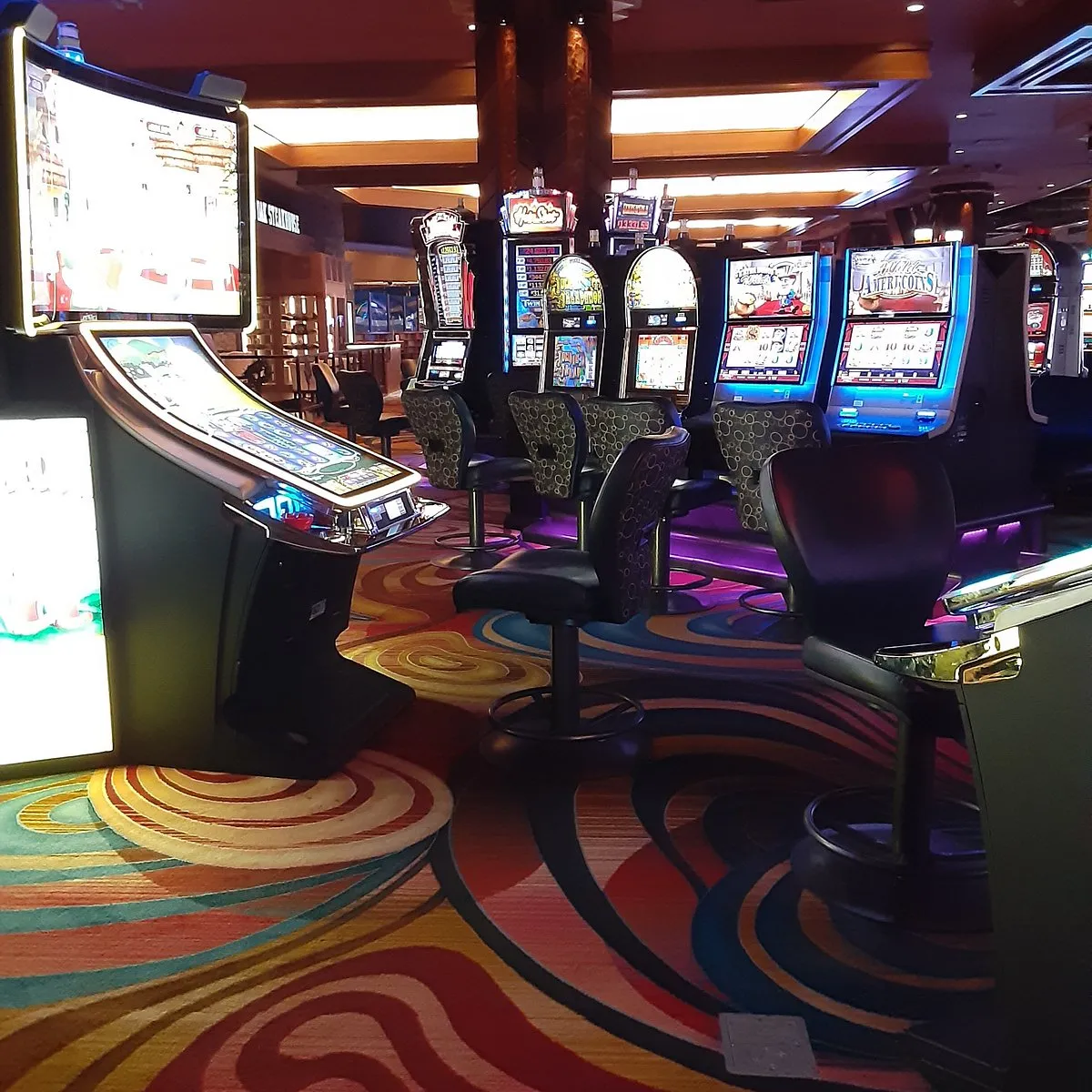
If an adult guest wants to observe a casino table, ask staff where watching is appropriate and how the particular game works before joining. Confirm the venue’s entry requirements rather than assuming one hotel’s policy applies elsewhere. There is no need to participate simply because friends do. A resort evening remains complete when curiosity ends at observation or a decision to leave.
Anyone choosing to gamble should decide a discretionary spending limit and an ending time beforehand, separate from meals, transport and room costs. A loss does not create a reason to extend either limit. If stopping feels difficult, step away and seek support rather than asking companions to help recover money. Alcohol and a crowded schedule can make deliberate choices harder, so keep the plan simple.
Different preferences can also extend to the room. Someone returning early may want quiet while another reads on a device. Our demo round article considers the screen itself, but a shared space still needs agreement about light and sound. Online play should not become a compulsory substitute for an outing somebody preferred to skip.
Author’s opinion
I like an evening with one dependable centre and several graceful endings. A good dinner can be that centre: conversation has its own value, and nobody needs a dramatic final activity to justify the night. My preference is to make leaving as easy as joining. That keeps company warm and lets each person remember the evening for what they chose to enjoy.